
At Starbucks, Jake logged into his bank account using the free Wi-Fi, unaware that a nearby hacker was intercepting his data. Within minutes, his login details were stolen and his account drained. He only realised when fraud alerts appeared later that day. The attack exploited the unsecured network—something easily preventable. If Jake had used a VPN, his connection would have been encrypted, keeping his sensitive information safe from cybercriminals.
What is a VPN?
A VPN (Virtual Private Network) is a tool that protects your internet connection and hides your identity online.
Think of it like this:
- Normally, websites and your internet provider can see what you do and your real location (your IP address).
- A VPN creates a secure, encrypted “tunnel” for your data and sends it through a different server.
That means:
- 🔐 Your data is protected
- 🌍 Your real location is hidden
- 👀 Others can’t easily track what you’re doing
People use VPNs for privacy, security (especially on public WiFi), and accessing content from other countries.
How does a VPN work?
A VPN works by creating a secure, private connection between your device and the internet. When you turn it on, your data is first encrypted, which means it’s turned into unreadable code. This data is then sent through a secure “tunnel” to a VPN server in another location. The server connects to the website for you and sends the information back to you.
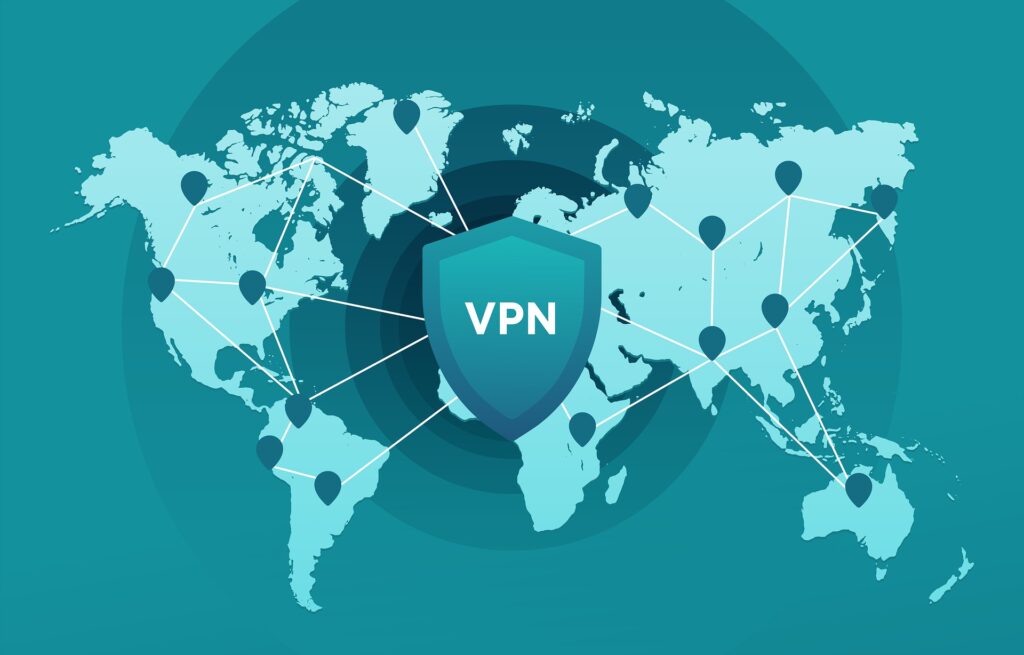
Because of this, websites only see the VPN server’s location and IP address, not yours. Your internet provider and anyone on the same network can’t easily see what you’re doing. This is especially useful on public WiFi, where hackers may try to steal data. In simple terms, a VPN hides your identity and keeps your online activity more private and secure.
What are the 4 major features of a VPN service?
“Your personal information will be saved”
This likely means your personal information will be kept safe, not “saved.”
A VPN protects your data so hackers or others can’t easily see things like passwords or bank details.
“No more firewall – watch Netflix from any country in the world”
This means you can bypass restrictions that block content in certain places.
For example, you could watch shows on Netflix that are only available in other countries.
“Fix unsecured Wi-Fi.”
A VPN makes unsafe public WiFi (like in cafés or airports) much safer by encrypting your connection.
“Overcome wifi restriction”
This means you can get around blocked websites on networks like school, work, or public WiFi.
Which VPN Service is best for you?
The best VPN for you depends on what you need most. If you want the best all-around option, NordVPN is a strong choice because it offers great speed, security, and streaming support. If you’re on a budget, Surfshark is cheaper and allows unlimited devices. For simplicity and very fast performance, ExpressVPN is ideal. If privacy is your top concern, Proton VPN stands out, while CyberGhost is perfect for beginners. Overall, the best VPN is the one that matches your needs—whether that’s price, speed, or privacy.
Why NordVPN?
NordVPN is considered one of the best VPNs because it offers a strong mix of security, speed, and ease of use. It uses powerful encryption to protect your internet data and has a strict no-logs policy, meaning it doesn’t track what you do online. It also has thousands of fast servers around the world, which helps with streaming services like Netflix and other websites without much slowdown.
Another reason people choose NordVPN is its extra features, like a kill switch (which stops your internet if the VPN drops), malware protection, and tools for safer browsing on public WiFi. Overall, it is popular because it is reliable, beginner-friendly, and works well for both privacy and entertainment. They are very easy to use, and when you go for a longer subscription, you get a lot of discounts. I can even give you an extra discount when you click on the link below.
